
ImagePro Radiology · Breast imaging
Mammography
Breast imaging with considerate care.
Helpful guidance before, during and after your mammogram.
Early detection.
Personal attention.
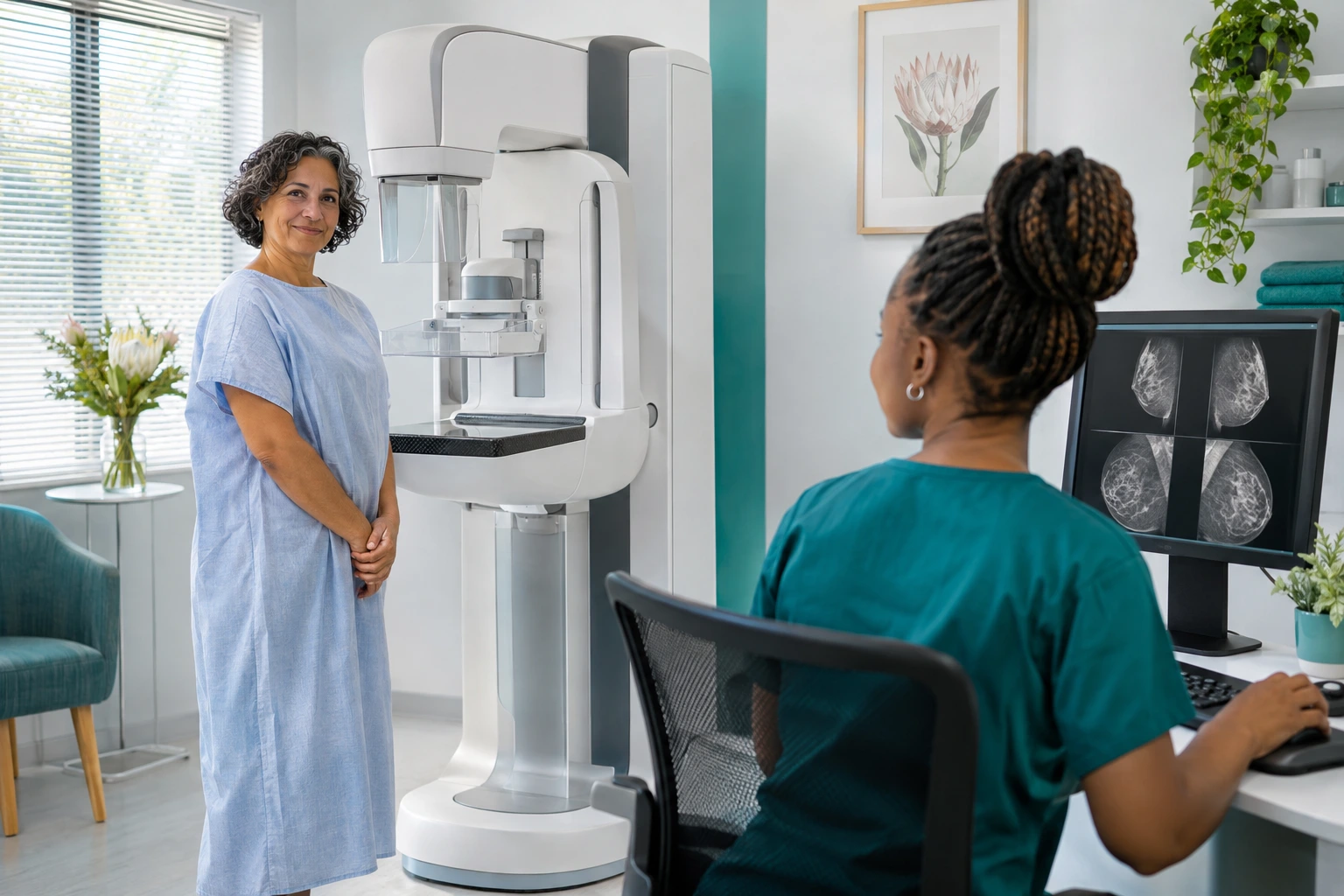
A mammogram uses low-dose X-rays to examine breast tissue. It can help identify changes before they can be felt, or investigate a breast symptom.
Our team will explain the examination and guide you through positioning. Please tell us about any tenderness, implants or previous breast surgery.
Understanding your examination
Screening or a breast concern?
Routine screening
Screening checks for changes when there are no symptoms. Discuss screening from age 40 with your doctor, including how often to attend. Your personal history and risk may change the recommended plan.
Family history or increased risk
Tell your doctor about breast or ovarian cancer in your family, a known inherited gene change, or previous breast cancer. You may need earlier screening or additional imaging following an individual assessment.
A new symptom or breast change
A new lump, nipple discharge, skin dimpling or a change in breast shape should be assessed by your doctor promptly. Please mention symptoms when booking, even if your last mammogram was normal.
Before your visit
Preparing for your mammogram.
Products, clothing and your gown
Avoid deodorant, powder and lotion on your breasts and underarms that day. Wear a two-piece outfit; you will be asked to undress from the waist up and will be given a gown.
Previous imaging and paperwork
Bring earlier breast imaging and reports, especially examinations performed elsewhere, together with your signed referral and medical-aid card. Arrive 20 minutes early for paperwork.
Pregnancy, breastfeeding and implants
Tell the booking team and radiographer if you are pregnant, may be pregnant, are breastfeeding, or have breast implants. They will advise you about the examination requested.
Tenderness and access requirements
Let the team know if your breasts are tender or if you need help with standing, movement or positioning. Ask the branch for advice when arranging your appointment.
Your examination
What to expect.
- Check in and discuss your historyThe team confirms your referral and any breast concerns.
- Positioning and brief compressionThe breast is held between a platform and a clear paddle. Compression can be uncomfortable or painful; tell the radiographer how you feel.
- Images from different viewsYou will be guided to keep still for each image. Allow extra time if additional views or ultrasound are needed.
- Confirm your follow-upAsk when your report will be ready and arrange to discuss it with your referring doctor.
Further assessment
When more information is needed.
Vacuum-assisted breast biopsy
A closer look at a breast change.
VABB uses imaging guidance and local anaesthetic to collect small tissue samples for a pathologist to examine. The team will explain the procedure, possible bruising or bleeding, and your aftercare.
Before a biopsy appointment
Tell the team about all medicines, especially blood thinners, allergies and possible pregnancy. Bring prior breast imaging. Do not stop prescribed medicines unless your treating clinician instructs you to do so.
Aftercare and results
Follow the written instructions given by your team, including wound care and activity advice. Ask who to contact if you have concerns and when to expect your pathology results. Your doctor will discuss the findings and next steps.
Speak to our team
Arrange your mammogram.
Contact your preferred branch to confirm appointments, breast-imaging services and preparation. An online enquiry does not confirm a booking.
Further patient information: RadiologyInfo.org: Mammography ↗. Your doctor and imaging team can advise you about your own examination.
Understanding 3D mammography
More detail.
A clearer view.
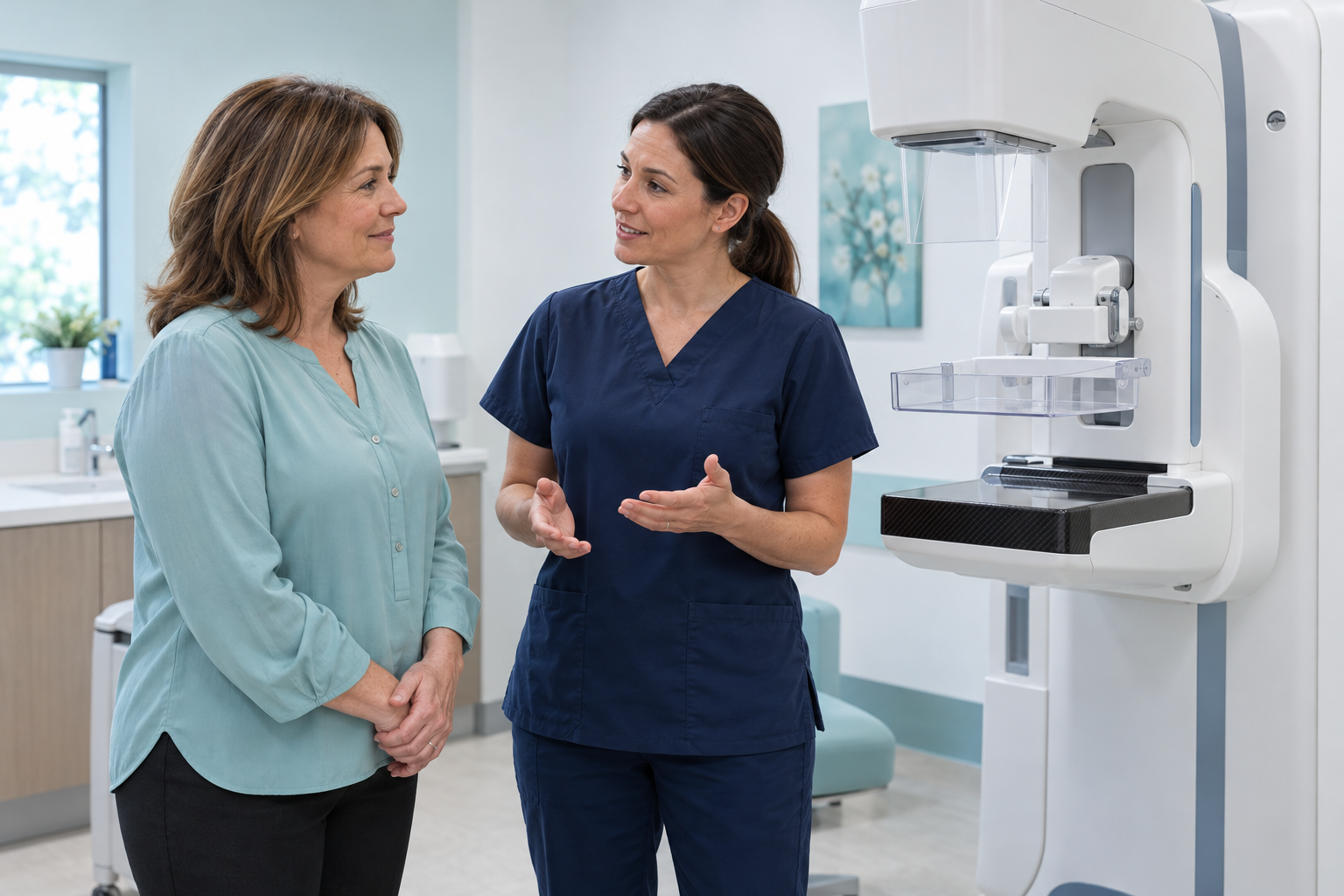
Digital breast tomosynthesis (DBT) creates a series of thin breast images that the radiologist can examine layer by layer, helping to reduce the effect of overlapping tissue.
Looking beyond
overlapping tissue.
DBT is an advanced form of mammography used in breast screening and diagnostic assessment. Multiple low-dose X-ray images are reconstructed by a computer into thin slices.
Your doctor and radiology team will advise which breast examinations are appropriate for your symptoms, screening needs and previous imaging.
Why tissue overlap matters
From 2D views to breast slices.
Conventional mammography usually includes views from above and from an angled side position. Each produces a two-dimensional image of the compressed breast.
Breast structures can overlap, particularly in dense glandular tissue. This may obscure an abnormality or make normal tissue look suspicious, contributing to false-negative or false-positive findings.
Additional mammographic views or ultrasound may help clarify an area. DBT offers another way to assess tissue overlap by allowing the radiologist to review individual layers.
How tomosynthesis works
A series of views.
One detailed assessment.
- 01The breast is positionedThe radiographer positions and compresses the breast for imaging.
- 02The X-ray tube moves in an arcThe unit acquires multiple low-dose exposures from different angles.
- 03A computer reconstructs the imagesThe resulting dataset is viewed as thin slices, often around 1 mm, depending on the system. A synthesised 2D image may also be created.
- 04The radiologist reviews the layersLike looking through a loaf one slice at a time, this helps separate structures that overlap in a flat image.
2D and 3D imaging
See how the images are created.
In 2D mammography, tissue layers overlap in a single view. Tomosynthesis acquires views from different angles and reconstructs thin slices to help the radiologist separate overlapping structures.

Benefits and limitations
What can DBT add?
DBT can improve cancer detection and help the radiologist assess the location, size and shape of an abnormality. It can also reduce unnecessary callbacks caused by overlapping normal tissue.
It does not detect every cancer or eliminate the need for additional views, ultrasound, MRI or biopsy. Further investigation depends on the findings and your clinical history.
Radiation considerations
An appropriate dose for your examination.
DBT uses ionising radiation. Dose depends on the equipment, breast thickness and examination protocol, including whether separate 2D exposures are acquired.
The team balances the diagnostic benefit against radiation exposure and uses techniques intended to obtain the required images at an appropriate dose. Tell the radiographer if you are pregnant or might be pregnant.
Ask the branch if you have questions about the equipment or imaging plan for your examination.
Before your visit
Preparing for your appointment.
Previous imaging and documents
Bring your signed referral where required, medical-aid details and previous breast images or reports, particularly examinations performed elsewhere.
Clothing and skin products
Wear clothing that is easy to remove from the upper body. Avoid deodorant, powder or lotion on your breasts and underarms on the day of the examination.
Tell the team about your history
Mention breast symptoms, implants, previous surgery, hormone use, personal or family history of breast cancer, and possible pregnancy.
Timing and breast tenderness
If your breasts become tender around your period, discuss a comfortable appointment time with the branch. Report new symptoms to your doctor rather than delaying assessment for a routine screening date.
During and after your scan
What to expect.
The radiographer will guide you through positioning. Compression holds the breast still and helps obtain clear images; you may feel pressure or discomfort. Tell the radiographer if it is painful.
Keep still and follow any brief breath-holding instructions while images are taken. The number of views and total appointment time depend on your examination.
A radiologist reviews the images. Ask how and when your results will be available, and discuss the findings with your referring doctor.
Speak to our team
Plan your breast imaging visit.
Contact your preferred branch to arrange an appointment and confirm preparation for the examination on your referral.
011 839 1607 / 08
After hours: 011 495 5000
Appointment enquiries
How can we help?
Select your branch and send an enquiry using the form below. Your appointment is only confirmed once the branch has contacted you.
Further patient information: RadiologyInfo.org: Breast Tomosynthesis ↗.